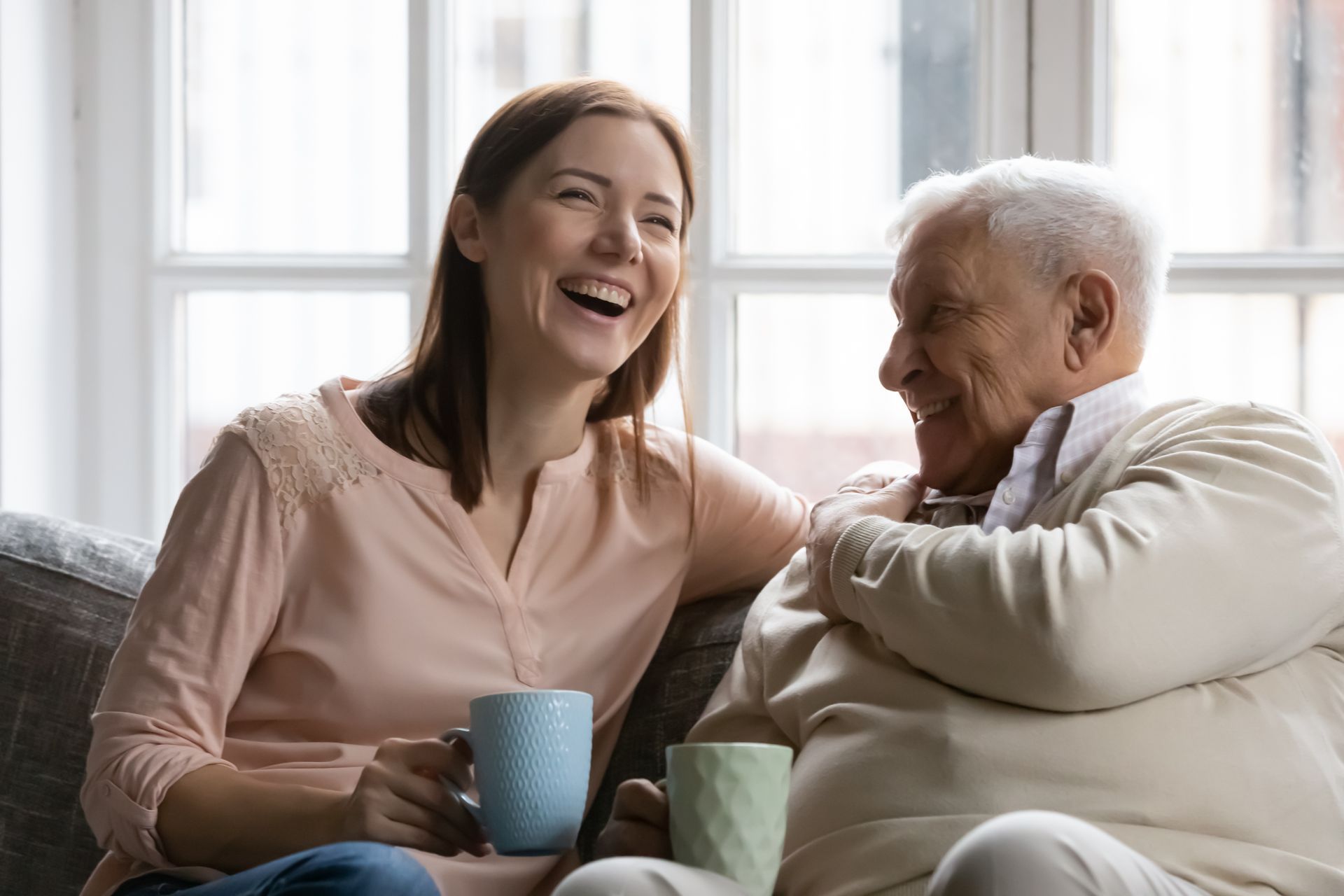
When most people hear the words “in-home care,” they picture someone who is unwell, frail, or no longer coping on their own. It's a common assumption—and it's one we'd like to set straight.
The truth is, home care today is far more about
prevention than
recovery. It's about helping older Australians (almost 1.7 million so far) to keep doing the things they love, in the home they love, for as long as possible. It's about staying active, connected, and independent.
Here's what the latest research is telling us about why more Australians are accessing support earlier. And, why it might change how you and your family think about getting practical assistance at home.
40% of Older Australians Say They Need Help to Maintain Independence
You might be surprised to learn that nearly 40% of Australians aged 65 and over (almost 1.7 million people) say they need some level of help to maintain their independence. And the keyword there is
some. For most of these Australians, we're not talking about full-time clinical care. We're talking about a hand with the shopping. A lift to a medical appointment. Help with the vacuuming so the weekend can be spent with the grandkids instead.
In fact, the vast majority of older Australians entering the home care system start with the Commonwealth Home Support Programme (CHSP). In 2024–25 alone, there were more than 833,000 active CHSP clients across the country. Most of these people only need what's classified as
low-level support like cleaning, transport, or meal preparation.
Another 350,000+ Australians use Support At Home (SAH), and Level 1 packages (for very minimal care needs) remain one of the most common entry points into the system.
Home care isn't reserved for “the very ill”. It's a practical, everyday support service that helps older Australians live the lives they want to live.
The Power of Prevention
A simple home assessment can cut fall risk by nearly a quarter. Around 1 in 4 Australians over 65 experiences a fall each year. Falls are one of the leading causes of hospital admission and loss of independence in older adults. Research shows that simple, targeted interventions at home—things like exercise programs, grab rails, better lighting, and clearing trip hazards—can reduce the risk of falling by 23%.
Catching small problems early keeps people out of the hospital. Effective in-home care programs have been shown to reduce hospital readmissions by up to 25%. That's because having a professional checking in regularly means small issues such as missed medication, signs of infection, or changes in mobility get picked up early before they become emergencies.
The human connection matters as much as the clinical care. Roughly 11% of older Australians experience social isolation, and we know loneliness has a real impact on physical health. Seniors receiving in-home support have reported a 44% improvement in their overall well-being, largely because someone is showing up, having a chat, and being part of their week.
Reframing the Conversation
For many families, the idea of bringing in home care can feel like a difficult step—almost like an admission that things are getting harder. We encourage you to flip that thinking.
Day-to-day assistance with things that have become tiring or tricky isn't a sign of slowing down. It's a smart, proactive choice that protects energy for the things that matter most—time with family, hobbies, gardening, lunch with friends, a walk in the morning sun.
The earlier support comes in, the more it does.
It's much easier to prevent a fall than to recover from one. It's much easier to maintain wellbeing than to rebuild it.
Share These Statistics with a Loved One
- About
40% of Australians over 65 say they need practical help to stay independent—that's not unusual, it's the norm.
- Good home care can
reduce hospital visits by up to 25% through better monitoring and early intervention.
- 1 in 4 seniors fall each year, but simple home modifications and exercise can significantly
lower that risk.
- Most people start with
low-level support—not full-time care—and that's often all they ever need.
How Companion Home Care Can Help
Getting older shouldn't mean giving things up. If you or someone in your family has been wondering whether it might be time to look at home care, we'd love to have a chat. There's no pressure, no commitment, and no question too small.
Often, the first conversation is the hardest part—and the most worthwhile.
Get in touch with our team today for a personal consultation in your own home, just say when.